
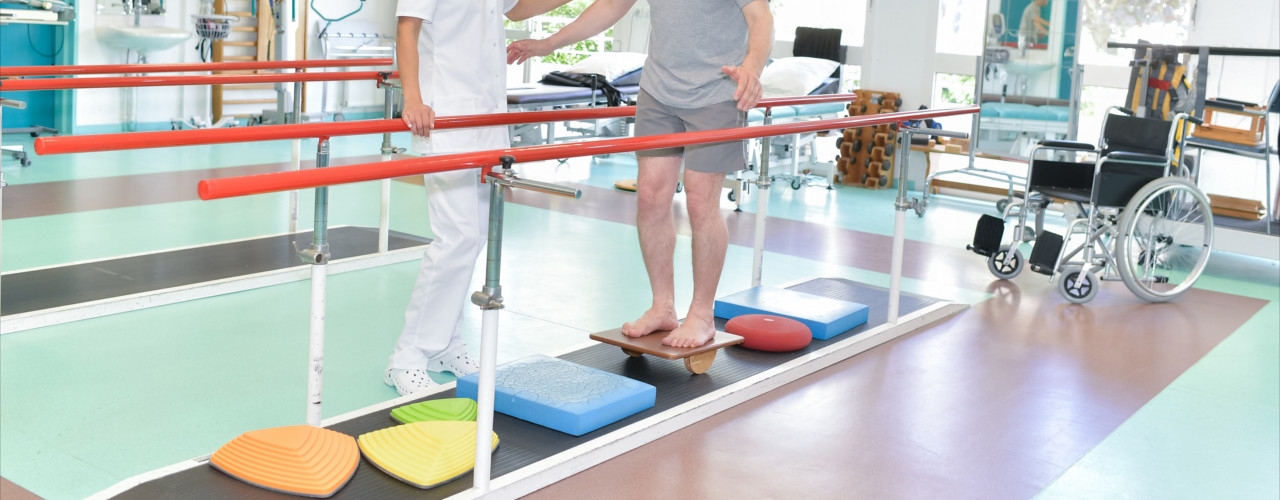
At Physical Therapy Plus we can provide effective treatment specifically targeted to a person’s unique vestibular disorder. (The vestibular system is located in the inner ear and keeps our bodies oriented correctly in space.) When there is a problem within the vestibular system a person will frequently experience symptoms such as imbalance, dizziness/vertigo, nausea, headache, fatigue and even anxiety. These symptoms may cause a person to restrict their daily activities sufficiently to result in loss of strength, reduced motion, and increased isolation.
Following a thorough evaluation, which includes a review of any specialized testing from the physician or audiologist, Physical Therapy Plus will customize a therapeutic physical therapy program based upon the findings of the evaluation. When treatment is focused on improving the interaction between the vestibular system and our bodies, it is referred to as Vestibular Rehabilitation.
Vestibular exercises start slow and easy and then are gradually advanced as the program proceeds. During vestibular rehabilitation, the patient is instructed to do specific exercises faithfully at home. This is a critical part of a successful program. Studies have shown that vestibular rehabilitation customized for patients result in 85 percent resolution of symptoms. This is a significant improvement over the use of medications alone (less than 50 percent resolution).

Positional Vertigo
A unique form of dizziness called Benign Paroxysmal Positional Vertigo (or, BPPV for short) is characterized by episodic, short duration bouts of dizziness, nausea, and/or imbalance that are related to movements of the head and specific changes of body position. Fortunately, this is a relatively simple disorder to diagnose and treat. Once the BPPV has been correctly identified it can be treated with a precise series of head movements that are referred to as the Canalith Repositioning Maneuver. Usually only one or two treatments are required. If your Physical Therapy Plus therapist determines that the condition has interfered with some of your balance mechanisms, then a brief period of balance retraining therapy may be recommended.
Fall Prevention
Fall Risk Evaluation and Balance Training Program
Falls in older adults are very common and result in serious health issues. Nearly 35% of people over the age of 65 experience one or more falls per year. Almost 70% of all emergency room visits by people over the age of 75 are related to falls. These falls frequently result in hip, shoulder, and wrist fractures with pain, loss of mobility and lengthy recovery time.
At Physical Therapy Plus our expert therapists can assess your risk for falling by using a series of scientifically validated tests that can determine if you are at a minimal, moderate or severe risk. If a significant risk for falling is present, we will recommend a balance training program as a safety intervention. Such a program can help to improve balance during walking by addressing issues such as strength, flexibility, coordination, and loss of balance recovery strategies.

Participation in the Program
A physician’s referral is required for entry into this program, which is based upon diagnosis and risk factors. Factors such as medical history, arthritis, hip or knee surgeries, osteoporosis or osteopoenia can contribute to the need for balance training. The initial evaluation takes approximately sixty minutes to complete. If a balance training program is indicated, then a customized program is designed for your unique balance difficulties as determined from the initial testing. This is not a “one size fits all” type of program. Your Physical Therapy Plus therapist will design a program that is unique to your needs. Training sessions last about 45 minutes to one hour and usually take about four to six weeks to complete. Depending upon severity, sessions may be scheduled two to three times per week.
You will be evaluated on the first visit to determine if you are “at risk” for falling. This is accomplished through standardized tests that identify physical weaknesses and compromised balance reactions. Your evaluation may include state of the art computerized balance testing on our NeuroCom Balance Master equipment. A report which details the results of the evaluation, along with any specific recommendations, is sent to your physician.
The balance training program may incorporate range of motion exercises, stretching, strengthening, balance and coordination drills, and a variety of walking exercises. Some of the training may incorporate the use of light weights or various types of exercise equipment. Endurance and fitness training may also be included in your program. You will also be instructed in simple exercises to do at home every day to supplement your in-clinic program.